
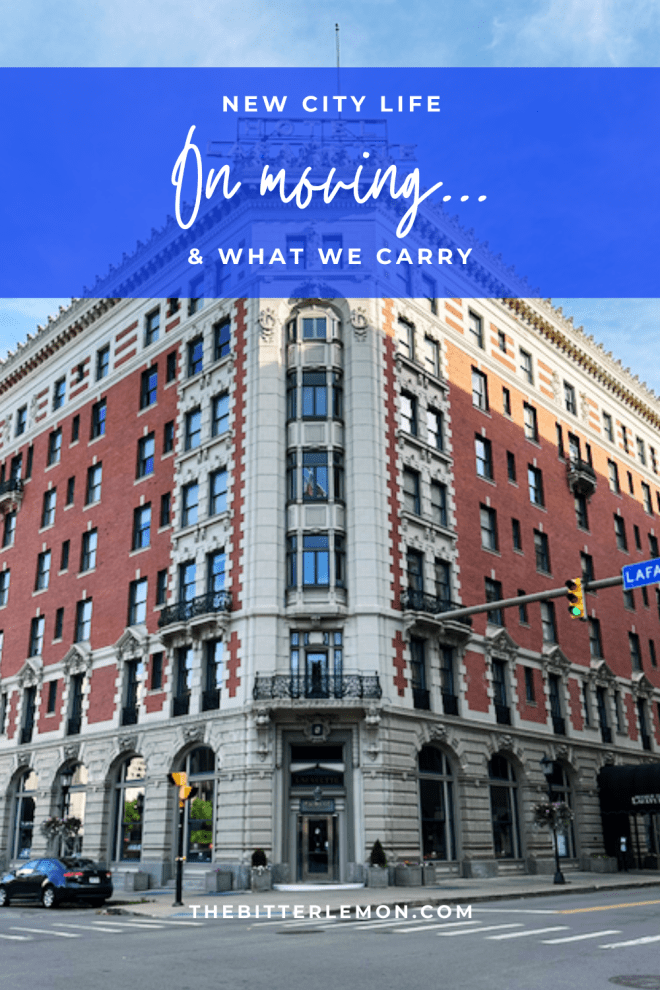
When I visited Buffalo for the first time, I did what I always do before a trip: I planned.
Coffee shops, bookstores, long walks, and neighborhoods I wanted to see on foot. After my visit, I shared my itinerary on the Buffalo Reddit page—mainly in case it helped someone else, or sparked a conversation. And yes, I know Reddit doesn’t bring out the best in folks, but it’s where I learned a lot about the city before visiting!
Of more than 100 comments, nearly all were kind, welcoming, or genuinely helpful. People added suggestions, swapped recommendations, and told me what they loved about the city.
And then there was one comment that stopped me cold.
It said something along the lines of: people like you—remote workers who move to affordable cities—are the problem. You turn places into cities no one wants to live in anymore. Like Austin.
I didn’t respond. But I didn’t forget it either.
I’ve been thinking about that comment more than I expected to, not because I believe it fully captures the truth, but because it taps into something tangible and uncomfortable: moving is not a neutral act.
People don’t just relocate in isolation. We arrive carrying our jobs, our money, our habits, our expectations—and those things ripple outward in ways we don’t always see.
There’s a growing narrative about remote workers “ruining” cities. About outsiders swooping in, driving up rents, hollowing out culture, and transforming places into expensive, unrecognizable versions of themselves.
It’s easy to dismiss this as resentment or fear of change. But I don’t think it’s that simple. I think it’s coming from lived experience. People have watched neighborhoods shift faster than they can keep up with. They’ve seen prices rise while wages haven’t. They’ve lost access to the very places that once felt like home.
That deserves acknowledgment.
At the same time, I don’t believe the story ends there.
I didn’t move across the country to “optimize” a city. I wasn’t chasing trendiness, arbitrage, or some abstract idea of a cool place to land. I was trying to build a life that felt more sustainable—financially, emotionally, physically.
Like many people, I made the best decision I could with the information and resources I had. And I know I’m not alone in that.
Cities change because people move. They always have. Sometimes that movement brings reinvestment, stability, and new energy. Empty apartments become lived in. Small businesses gain customers. Neighborhoods that were ignored receive attention again. Sometimes people choose a city not because it’s cheap, but because they genuinely want to be there.
Both things can be true: movement can bring opportunity and displacement. Growth can mean renewal and loss. The problem isn’t movement itself—it’s pretending that movement doesn’t come with consequences.
I think what bothered me most about that Reddit comment wasn’t the accusation, but the implied lack of agency. The idea that once you arrive somewhere new, you’re automatically part of a faceless group doing harm, whether you intend to or not. That there’s no room for nuance, care, or responsibility.
But I do think responsibility matters.
I can’t control housing markets, remote work trends, or the way cities are marketed and monetized. I can’t undo decades of policy decisions or economic shifts.
What I can control is how I show up. Whether I treat a city like a backdrop or a bargain—or like a place with history, complexity, and people who were here long before me.
For me, that’s meant moving more slowly. Walking instead of driving. Spending money at local businesses instead of chains. Learning neighborhoods before defining them. Listening more than speaking. Resisting the urge to compare Buffalo to places I’ve lived before, or to wish it were something else entirely.
It’s also meant sitting with discomfort instead of brushing it off. Accepting that even well-intentioned choices can have ripple effects. That loving a city doesn’t mean ignoring its tensions. That being welcomed doesn’t mean everyone feels that way—and that’s okay.
Most of the people I’ve met so far don’t see newcomers as the enemy. They’re proud of their city. They want others to experience what makes it special. They talk about Buffalo with affection, frustration, loyalty, and hope—often all in the same sentence. That complexity feels honest to me.
So I don’t think people like me are “the problem.” But I also don’t think we’re exempt from thinking about our impact.
Maybe the real work isn’t deciding whether moving is good or bad—but learning how to arrive with humility. How to participate without overtaking. How to make space for the fact that our presence has weight, even when it’s quiet.
That Reddit comment still lingers with me, not as an accusation I need to disprove, but as a reminder to stay awake. To keep asking myself not just where I live—but how.
To see more writing from me, be sure to subscribe to The Bitter Lemon by clicking “subscribe” on the right side of your screen. Want even more? Subscribe to my newsletter to get roundups, book recs and lifestyle tips.
 The Bitter Lemon