

The following post contains affiliate links, which sends me a small percentage of any sales at no cost to you.
Like many people, I spent a lot of time in 2020 focused on my home. Between making small upgrades and researching better materials, I went down a rabbit hole about bedding—specifically, what’s actually in the fabrics and materials we sleep on every night.
Pillows, as it turns out, can be filled with all kinds of toxic and synthetic materials. Many traditional pillows are made with memory foam, polyester, or conventional cotton, which can contain harmful chemicals, pesticides, and flame retardants.
Some common concerns with synthetic and treated pillow materials include:
- Off-Gassing: Many pillows, especially memory foam, release volatile organic compounds (VOCs) that can cause headaches, dizziness, and respiratory irritation.
- Flame Retardants & Pesticides: Conventional cotton is one of the most pesticide-heavy crops, and many pillows are treated with flame retardants, which have been linked to endocrine disruption.
- Allergens & Dust Mites: Synthetic materials can trap heat and moisture, creating an environment where dust mites and bacteria thrive, exacerbating allergies and asthma.
After learning all this, I was determined to find a non-toxic, natural pillow. That’s when I discovered White Lotus Home and a material called Kapok—a plant-based, vegan alternative to down.
I purchased two pillows: the White Lotus Home Kapok Pillow and the Kapok Contour Pillow, and almost five years later, they are still my favorite pillows I’ve ever owned.
What Is Kapok?
Kapok is a natural fiber harvested from the seed pods of the Ceiba Tree, which grows in Central and South America. Unlike cotton, kapok requires no pesticides or machinery to harvest, making it a highly sustainable material.
It’s naturally fluffy and lightweight, often compared to down, but without the ethical concerns of using animal products.
Some key benefits of kapok include:
- Vegan & Cruelty-Free: Unlike down, which is often sourced from live-plucked geese, kapok is a plant-based fiber that doesn’t harm animals.
- Hypoallergenic & Chemical-Free: Kapok is naturally resistant to dust mites, mold, and mildew.
- Soft & Fluffy: It mimics the light, airy feel of down while remaining breathable.
- Sustainable & Eco-Friendly: Harvesting kapok doesn’t require cutting down trees, making it an environmentally responsible choice.
My Experience with White Lotus Home Pillows
1. The White Lotus Home Kapok Pillow

This is a traditional pillow filled with hand-stuffed kapok fibers and encased in GOTS-certified organic cotton sateen. The first thing I noticed was how light it felt—much softer and airier than my previous polyester-filled pillows.
Over time, it molded to my sleeping position while still offering good support. It’s perfect for those who prefer a plush, cloud-like pillow without losing structure.
2. The Kapok Contour Pillow (KaPillow)
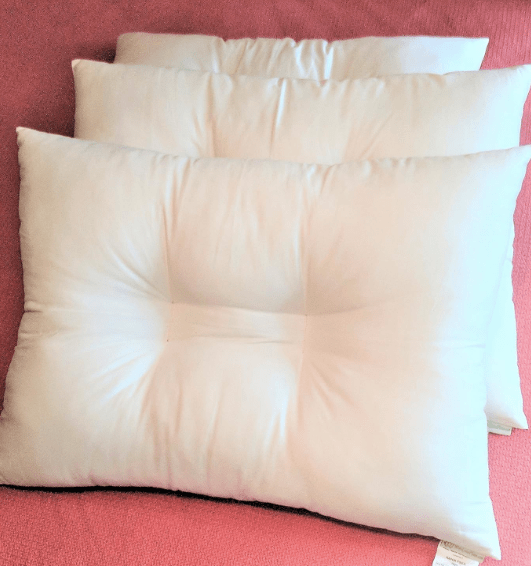
This has been my absolute favorite. It’s designed with a dip in the center to cradle your head and raised edges to support your neck—ideal for side sleepers like me. Most contour pillows on the market are made of memory foam, which off-gasses chemicals and isn’t adjustable.
The KaPillow, on the other hand, is made entirely of natural materials and features an adjustable fill, so I can add or remove kapok to find the perfect firmness. I’ve even used it between my knees to relieve hip pressure while sleeping.
Why I’ll Never Go Back to Traditional Pillows
It’s been almost five years since I switched to these pillows, and they still feel just as good as the day I bought them. No flattening, no weird lumps—just consistently comfortable and supportive sleep. Beyond comfort, I also love knowing that my pillows aren’t exposing me to hidden toxins night after night.
If you’re considering upgrading your bedding, I highly recommend looking into natural, non-toxic materials like kapok. We spend a third of our lives in bed—shouldn’t we be sleeping on something that’s good for both our health and the planet?
Have you ever tried kapok pillows or other natural bedding materials? Let me know in the comments!
This review is not sponsored — nor are any of the reviews on this blog. I am a beauty and skincare junkie and enjoy sharing the products I love right here! For more reviews and similar posts, please subscribe to the blog by clicking subscribe on the right side of your screen. Cheers!
 The Bitter Lemon