
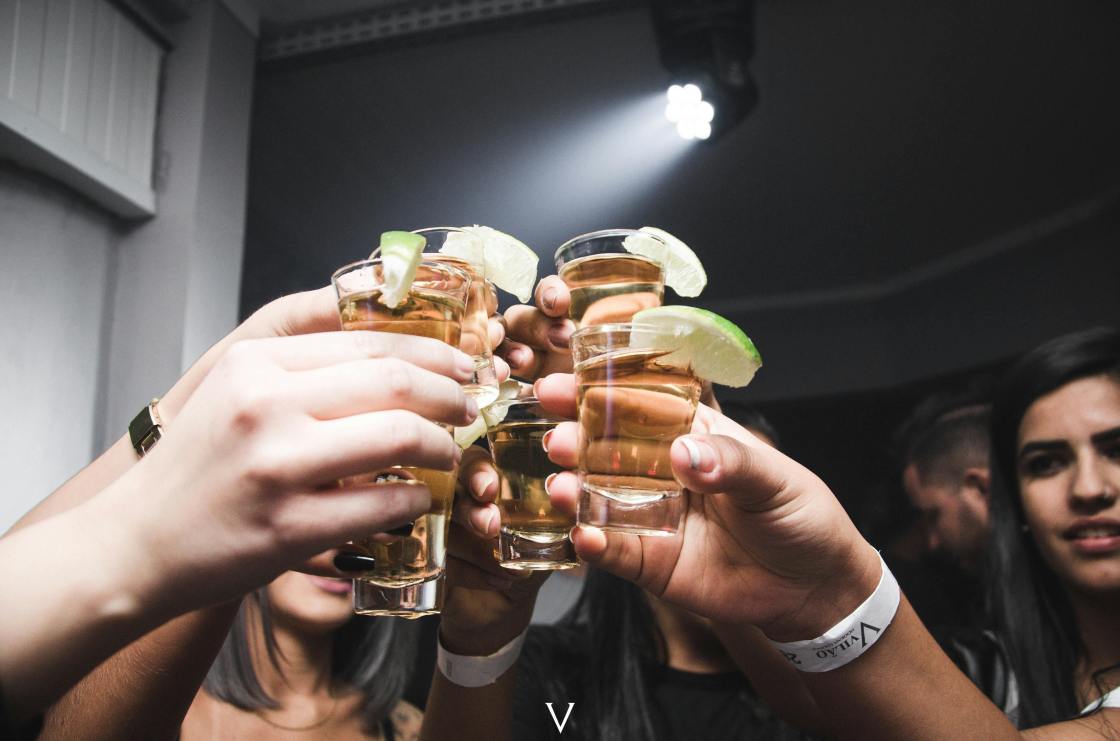
There may have been times in your life when the thought of a hangover did not even cross your mind while drinking. Some people manage to party like the world’s going to end and wake up with the birds the next day. To run on the treadmill.
But for most people not blessed with such dubious superpowers, hangovers indeed get worse with age.
According to Healthline, our body’s metabolism and liver function may decline with time. As a result, the liver could produce less ALDH, an enzyme that helps break down alcohol. Moreover, our bodies may have less hydration and also suffer from underlying health conditions as we age.
The resulting hangovers also feel worse because they interfere with work and life. Not many high schoolers need to deal with cranky children or pesky bosses the morning after a night on the town.
Fortunately, there exist ways to enjoy the occasional drink (or three) without feeling miserable the next day.
1. The Color and Composition of Your Drink Matter
Cocktails can have intriguing names. Paloma. Penicillin. The Last Word. Sometimes, the name says little about the constitution or color of what you’re drinking. It’s more about the vibe.
However, it is best to know a little more about your drinks to avoid hangovers as you enter your late 20s and 30s.
For instance, the amount of congeners in the alcohol may impact the intensity of your hangover. These compounds form during alcohol’s fermentation and distillation processes. EatingWell notes that beer has the fewest methanol congeners, followed by wine and vodka. In contrast, brandy and whisky have high levels of congeners.
Another thing to check is the overall composition of alcohol. Common sense suggests that drinking fewer absolute units will keep you from feeling awful the next day. Why not pick lower-strength wines and mild beers? You will still relish the taste and the atmosphere they create but escape the pounding headache at daybreak.
Lately, natural wine has been all the craze among more health-conscious folks. These wines use a natural fermentation process. Some people believe the effect is gentler on the system, which makes hangovers less miserable.
However, these claims lack scientific evidence. More often than not, wines (and other alcoholic beverages) with a lower A.B.V. (alcohol by volume) will naturally be easier for the body to process. Some natural wines may be mild, but certainly not all.
2. Replace the Booze With a Different High
Alcohol is notorious for giving agonizing hangovers as we grow older, and our bodies cannot process it as well as before. Why not consider replacing it with other highs?
Nope, we are not suggesting contraband items or figurative highs of meditation. But thanks to innovative research in this field, you can explore non-alcoholic spirits that still deliver a lift.
For instance, hemp-based drinks replace spirits like tequila with THC. The 2018 Farm Bill legalized hemp production across the US, which implies you can opt for these alternatives to cocktails for parties or special occasions. They tend to pair well with standard mixers, such as juices and ginger beer. Some products have undercurrents of charred oak and vanilla.
The deal with THC drinks is that they have a quick onset, which means you will feel a difference in your mood within 15 to 30 minutes. MXXN notes that the feeling is like a glow, a sense of well-being that complements your activity, whether partying or relaxing. However, these options neither cause the post-drinking crash of booze nor a hangover the next day.
How about the health impact of such alternatives?
Harvard Health notes that cannabis use has outpaced alcohol consumption in many parts of the US. More people are reconsidering their drinking habits after the global pandemic forced them to reckon with their inner selves. Moreover, unpleasant hangovers that ruin the next day discourage many from indulging in drinking.
As with most health and lifestyle choices, moderation remains key. You know what works for you, which is why starting slow and pacing things is usually best.
3. Some Hangover Prevention Cures Work Better Than Others
In your quest to feel fresher the night after drinking, you must have encountered hangover cures. They come at nineteen to a dozen, from pickle juice to lemons. Most of them have little scientific backing, but you are free to experiment with the safer options. You never know if something might click.
For example, songwriter Benny Blanco recently shared an unusual hangover prevention method on social media: an olive oil shot. He claimed it works miraculously. But does it?
The Mirror reported that some medical experts believe that olive oil shots could have potential, as it may line the stomach. Consequently, the absorption of alcohol will slow down. Still, it is only speculation at this stage.
Here are a few other options with some loyal followers:
- Fatty and high-fiber foods, like avocados and lentils
- Probiotic supplements
- Ginseng
- Korean pear
The efficacy of some of these preventive options rests on their ability to line the stomach and slow down alcohol absorption. At least, items on the above list won’t cause harm unless there is a medical contraindication.
Ultimately, preventing hangovers comes down to drinking less. But it does not mandate teetotalling or being unable to indulge once in a while. A clever mix of choosing better drinks and being open to alternatives can help you skip the hangover that feels like hell.
The rest boils down to self-care: nutrition and hydration. It is vital to eat well (complex carbs and proteins) and drink enough water while indulging. Sleep is essential as well, and the morning run to the gym may not be in anyone’s best interest.
These self-care tenets are non-negotiable unless you are ready to feel like a trainwreck after having a drink and a half, particularly as you grow older.
 The Bitter Lemon