
The following post contains affiliate links, which sends me a small percentage of any sales at no cost to you.
Years ago, I never gave much thought to the candles I burned. I loved having a cozy glow and a comforting scent filling my space, so I would grab whatever was on sale—especially the big, cheap ones that promised strong fragrance.
But then, something made me rethink everything: I noticed a soot stain on my apartment ceiling. That stain sent me down a rabbit hole of research, and what I found was unsettling.
Many candles, even expensive ones, can release harmful toxins into the air. That realization changed how I approached home scents, leading me to discover clean alternatives.
What Makes a Candle ‘Clean’?

Not all candles are created equal. While many brands market themselves as “clean” or “natural,” candle companies aren’t required to disclose all their ingredients, often lumping synthetic components into the vague category of “fragrance.”
To ensure a candle is truly clean, here’s what to look for:
Wax Type: Opt for plant-based waxes like coconut, soy, or beeswax. Avoid paraffin wax, which is derived from petroleum and can release harmful chemicals when burned.
Scent: Look for candles scented with essential oils rather than synthetic fragrances. “Fragrance” as an ingredient can be a red flag for hidden chemicals.
Wick: Choose wicks made from 100% cotton or wood to avoid heavy metal exposure. Some cheaper candles still use wicks that contain lead.
Ethical Sourcing: Beyond just being clean-burning, some brands ensure their wax and ingredients are sustainably sourced, benefiting both the environment and the communities involved in production.
The Same Goes for Incense
A few years ago, I started burning incense as well.
Just like candles, I assumed all incense was more or less the same, but I later learned that many commercial incense sticks contain synthetic fragrances and binding agents that can be harmful when burned.
After experimenting with different brands, I settled on two companies that align with my clean home goals.
My Go-To Brands for Clean Home Scents
Candles: Pacha Soap Company
I exclusively buy my candles from Pacha Soap Company, and here’s why:
- Made with a plant-based wax blend.
- Cotton, lead-free wicks for a clean burn.
- Sustainable sourcing through the Certified Sustainable Coconut Oil Project, which supports small farmers in the Philippines and Indonesia.
Their candles provide a warm, natural scent without the overpowering synthetic notes I used to tolerate in my old candle collection.
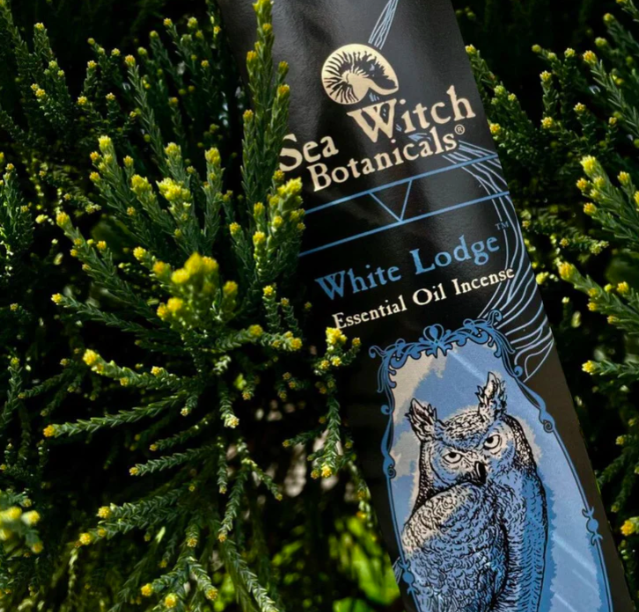
Incense: Sea Witch Botanicals
For incense, I rely on Sea Witch Botanicals, a company committed to keeping the world’s water clean by producing nontoxic home and body products.
Their incense sticks stand out because:
- They never use synthetic fragrance oils.
- Each stick is made with activated charcoal and non-GMO essential oils.
- Their incense is hand-dipped and designed to be both spiritually and physically uplifting—perfect for people who typically don’t like incense due to headaches from artificial scents.
Unlike many commercial incense brands, Sea Witch Botanicals ensures their ingredients are all-natural and free from hidden toxins.
Their incense has a rich, woodsy scent that enhances my home without that sharp, artificial smell I now recognize in lower-quality options.
Final Thoughts
One of the biggest lessons I’ve learned on this journey is that “clean” doesn’t necessarily mean expensive or inaccessible. It’s about being intentional with what you bring into your home and recognizing that even products labeled as “natural” might not be as safe as they seem.
I’ve found that when I choose high-quality candles and incense, I actually use them more mindfully—lighting a candle becomes a ritual rather than just a habit.
If you’re looking to clean up your home scents, start by reading ingredient lists (and being wary of vague terms like “fragrance”).
It’s worth investing in products that make your space smell amazing without compromising air quality or ethical standards. Your home—and your lungs—will thank you!
 The Bitter Lemon